




Seriously? Cutting Back on Salt?
How to cut back
- Read food labels and choose low-sodium options. Unlike what most people expect, 77% of salt intake comes from food processing. These foods include canned soup, processed meat, baked goods, prepared pasta sauce, and such.
- Rinse canned products. Experiments have shown that draining and rinsing canned beans can effectively remove 25% of the added salt in one serving.
- Ask for low-sodium preparation when possible. This can be extremely useful for eating out. After all, there's no harm in adding a dash of salt by yourself after the food is served, right?
- Substitute salt with other spices. Cutting back on salt doesn't mean leaving your food flavorless. Turmeric, curry powder, nutmeg, and a world of spices is waiting for you to be discovered.
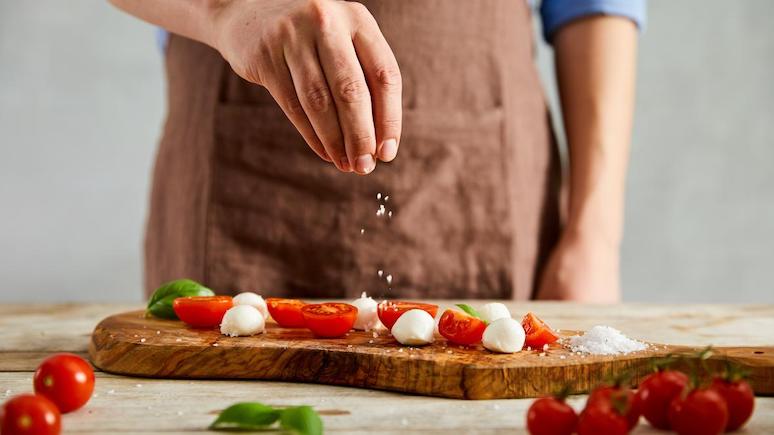
- Add your salt in the right amount, at the right time, in the right form. Generally speaking, adding salt while cooking or in advance allows flavors to get into the ingredients you are cooking with. So instead of adding a lot of salt after a dish is served or right before you turn off the stovetop, add a moderate amount of salt when you are boiling pasta, marinating steak or tofu, or roasting veggies.
Was this page helpful? Give us a thumbs up!
+1115
23
Any feedback will be appreciated.
Submit
Thank you for your feedback!
Related Stories:

Health & Nutrition

Health & Nutrition

Health & Nutrition

Health & Nutrition

Food Recall

Health & Nutrition
Hot Menus
- Applebee's Menu
- Arby's Menu
- Burger King Menu
- Chick-fil-A Menu
- Chipotle Mexican Grill Menu
- Cook Out Menu
- Domino's Pizza Menu
- Jersey Mike's Subs Menu
- KFC Menu
- McDonald's Menu
- Panera Bread Menu
- Papa Murphy's Menu
- Pizza Hut Menu
- Starbucks Coffee Menu
- Wendy's Menu
- Chili's Grill & Bar Menu
- Red Lobster Menu
- Texas Roadhouse Menu
- Bonefish Grill Menu
- Olive Garden Menu
